
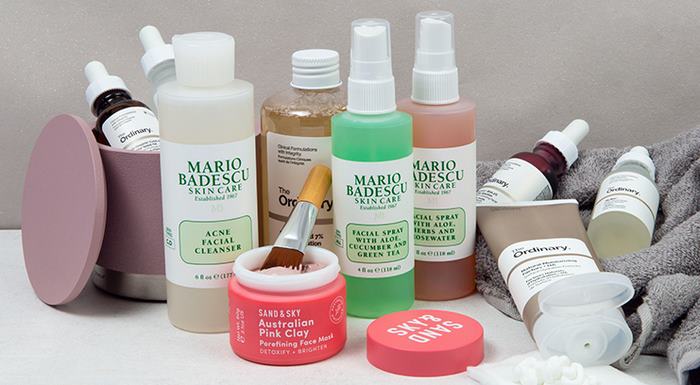
One of the most common questions patients ask at Skinssence Laser & Skincare Clinic in Talwandi, Kota is not about procedures — it is about products. "Doctor, which serum should I use?" "Is retinol safe for my skin type?" "I've been using vitamin C for six months and nothing has changed — why?" These are the questions this guide answers.
Written by Dr. Ashima Madan (MBBS, MD, FAM – DJPIMAC, Mumbai), this is a dermatologist's honest explanation of what anti-ageing skincare ingredients actually do at the cellular level, how to use them correctly for Indian skin, in what order to apply them, what combinations to avoid, and which concerns home products genuinely cannot address — and when clinical treatment is the more appropriate choice.
Why ingredient knowledge matters for Indian skin specifically
Most skincare ingredient guides are written with Fitzpatrick I–III skin in mind — the skin types most common in the Western markets where the majority of skincare research originates. Indian skin (Fitzpatrick III–V) behaves differently in several clinically relevant ways that change how common ingredients should be used:
- Higher melanin reactivity — Indian skin responds to irritation, inflammation, or barrier disruption by producing excess melanin, causing post-inflammatory hyperpigmentation (PIH). An ingredient that causes mild, temporary redness in a lighter skin type can leave a lasting dark mark on Indian skin
- Higher UV sensitivity for pigmentation — Kota's intense UV environment means any ingredient that increases photosensitivity (retinol, AHAs) carries a higher PIH risk without strict sun protection
- Different baseline oiliness patterns — Indian skin tends toward combination-to-oily in Kota's heat, making certain heavy moisturiser formulations counterproductive even when an ingredient list looks correct
These differences mean that the "standard" usage instructions on many international skincare products need adjustment for Indian skin. The guidance in this article is specifically calibrated for Indian skin types in Kota's climate.
The core anti-ageing skincare ingredients — what each one actually does
Retinol (and retinoids)
Retinol is a vitamin A derivative that works by binding to retinoic acid receptors in skin cells, accelerating cell turnover and directly stimulating fibroblasts to produce new collagen. It is the most evidence-backed topical anti-ageing ingredient available without prescription — no other over-the-counter ingredient has the same depth of clinical evidence for wrinkle reduction and collagen improvement.
Prescription-strength retinoids (tretinoin, adapalene) work by the same mechanism at higher concentrations and produce faster, more dramatic results — but require dermatologist guidance for appropriate strength and formulation selection.
Vitamin C (L-ascorbic acid and derivatives)
Vitamin C is a mandatory cofactor in collagen synthesis — without adequate vitamin C, fibroblasts cannot produce properly structured collagen. Applied topically, it also neutralises free radicals from UV radiation before they can damage collagen fibres, and suppresses tyrosinase (the enzyme that produces melanin) — making it both anti-ageing and brightening simultaneously.
The most effective form is L-ascorbic acid at 10–20% concentration, but it is also the most unstable and irritating. Vitamin C derivatives — ascorbyl glucoside, sodium ascorbyl phosphate, ascorbyl tetraisopalmitate — are more stable, gentler, and better suited to Indian skin's sensitivity tendencies, though they work slightly more slowly.
Niacinamide (vitamin B3)
Niacinamide is one of the most versatile and well-tolerated anti-ageing ingredients — particularly well-suited to Indian skin because it simultaneously addresses pigmentation (by inhibiting melanosome transfer from melanocytes to keratinocytes), reduces sebum production, strengthens the skin barrier, and reduces the appearance of enlarged pores. Unlike most actives, it is stable, non-irritating, and compatible with almost every other ingredient.
At 5% concentration it produces meaningful visible improvement in skin tone uniformity and pore appearance over 8–12 weeks. At 10% it has stronger sebum-regulating effects useful for oily, acne-prone Kota patients.
Hyaluronic acid
Hyaluronic acid (HA) is a glycosaminoglycan that occurs naturally in the dermis and can hold up to 1,000 times its weight in water. Topically applied HA draws moisture from the surrounding environment and deeper skin layers into the epidermis, producing immediate plumping and a reduction in the appearance of surface dehydration lines. It does not stimulate collagen or reverse structural ageing — it addresses the hydration component of ageing, which amplifies the visible result of every other active ingredient used alongside it.
AHAs — glycolic acid, lactic acid, mandelic acid
Alpha hydroxy acids work by dissolving the bonds between dead skin cells at the surface, accelerating their shedding and revealing fresher skin underneath. This process improves surface texture, reduces the appearance of fine lines and UV-induced pigmentation, and allows other actives to penetrate more effectively. Glycolic acid (smallest molecule, deepest penetration) is most potent; lactic acid is gentler with added hydrating properties; mandelic acid is the gentlest option, well-suited for sensitive Indian skin and darker Fitzpatrick types because its larger molecular size slows penetration and reduces the risk of irritation-induced PIH.
BHA — salicylic acid
Salicylic acid is oil-soluble — unlike AHAs which work on the skin surface, BHA penetrates into the sebaceous follicle itself, dissolving the sebum and dead cell plug that forms blackheads and congestion. At 1–2% concentration it is the most effective topical ingredient for managing pore congestion, blackheads, and acne-related oiliness. It has mild anti-inflammatory properties and is well-tolerated by most Indian skin types except very dry or sensitive skin where it can cause dryness.
Peptides
Peptides are short chains of amino acids that act as signalling molecules in the skin. Different peptide types work through different mechanisms: signal peptides (like Matrixyl / palmitoyl pentapeptide) tell fibroblasts to produce more collagen; carrier peptides deliver trace minerals that are cofactors in collagen synthesis; neurotransmitter-inhibiting peptides reduce the micro-muscle contractions that deepen expression lines over time. Peptides are significantly gentler than retinol and do not cause photosensitivity — making them an excellent option for patients who cannot tolerate retinol, or as a complementary collagen-support ingredient alongside retinol.
Ceramides
Ceramides are lipid molecules that form the structural "mortar" between skin cells, maintaining the skin barrier that prevents moisture loss and keeps irritants out. They decline with age and are further depleted by over-exfoliation, harsh cleansers, and UV exposure. Topical ceramide-containing moisturisers replenish this barrier — and this matters for anti-ageing because a compromised barrier prevents every other active ingredient from working correctly. A skin that is over-stripped or reactive cannot benefit from retinol, vitamin C, or AHAs — it simply becomes more irritated.
How to build your anti-ageing skincare routine — correct order and timing
Skincare ingredients are only effective when applied in the right sequence. The general principle is thinnest to thickest texture, and water-based before oil-based. Actives are applied before moisturiser so they can reach the skin rather than sitting on top of an occlusive layer.
Morning routine — protection-focused
Low-pH, non-stripping formula. Avoid foaming cleansers with sulphates that disrupt the acid mantle and over-dry skin that is already dehydrated from Kota's heat.
Applied on slightly damp skin. This is where vitamin C delivers its greatest benefit — antioxidant protection against daytime UV-generated free radicals. Allow 5–10 minutes before the next step.
Applied after vitamin C has absorbed — not simultaneously. Addresses pigmentation and pore appearance. Skip if vitamin C serum already contains niacinamide.
Apply to still-slightly-damp skin to maximise moisture-binding. Lightweight hydration layer before moisturiser.
Lightweight gel or fluid for oily-combination skin (common in Kota's climate). Cream for dry skin. Seals in the hydration layer below.
Applied 15–20 minutes before going outdoors. Reapplied every 2–3 hours when outdoors. Without this, every active ingredient applied in steps 1–5 is partially undermined by UV damage occurring throughout the day. See the full guide: sun protection for Indian skin in Kota.
Evening routine — repair-focused
Oil-based cleanser first to remove SPF and surface impurities, followed by gentle water-based cleanser. Skipping this leaves SPF residue that can block active ingredient absorption.
Not every night. On exfoliant nights, apply after cleansing and before all other steps. On non-exfoliant nights, skip to step 3.
Apply a pea-sized amount to the entire face on non-exfoliant nights. This is the single most important anti-ageing step in the evening routine. Allow full absorption (15–20 minutes) before applying moisturiser on top.
Applied after retinol has absorbed. Adds a complementary collagen-signalling mechanism without interfering with retinol. Do not use with AHAs in the same routine.
Applied to slightly damp skin before the final moisturiser layer. Counteracts the mild dryness that retinol causes in initial weeks.
Applied over all actives to seal them in and maintain barrier integrity overnight. Slightly richer formula than morning moisturiser is appropriate. This step is especially important when using retinol or AHAs regularly.
The most common skincare mistakes Dr. Ashima Madan sees in Kota patients
Quick reference — ingredients at a glance
| Ingredient | Primary benefit | When to apply | Key precaution for Indian skin |
|---|---|---|---|
| Retinol | Collagen stimulation, cell turnover, wrinkle reduction | Night only | Start every other night; strict SPF morning; avoid if pregnant |
| Vitamin C (L-ascorbic) | Antioxidant, collagen cofactor, brightening | Morning (before SPF) | Discard if oxidised (brown); separate from niacinamide step |
| Niacinamide | Pore appearance, pigmentation, sebum control, barrier | Morning or night | Separate step from L-ascorbic acid vitamin C |
| Hyaluronic acid | Deep hydration, plumping | Morning and night | Apply to damp skin; follow with moisturiser to seal |
| AHAs (glycolic, lactic, mandelic) | Surface exfoliation, pigmentation, texture | Night only, 2–3x/week | Strict SPF next morning; do not use same night as retinol |
| BHA (salicylic acid) | Pore clearing, acne prevention, oil regulation | Night, 2–3x/week | Not for dry skin; alternate nights with retinol |
| Peptides | Collagen signalling, firmness | Night (after retinol if using) | Do not mix with AHAs in same step |
| Ceramides | Barrier repair, seals in all actives | Final step, morning and night | Essential when using retinol or AHAs regularly |
When home skincare products are not enough
Home skincare products work on the epidermis and superficial dermis — they cannot reach the mid-to-deep dermal collagen that clinical procedures address. For most patients under 35 with mild ageing concerns, a well-constructed home routine produces meaningful improvement. For patients with established loss of firmness, moderate-to-deep wrinkles, significant UV-induced structural damage, or post-acne scarring — home actives alone are insufficient, and clinical treatment is the appropriate primary approach.
At Skinssence, home skincare and clinical treatment are designed to work together: home actives maintain and extend the results of clinic procedures, while clinic procedures produce the structural change that home products cannot achieve. See the full guide on clinical anti-ageing treatments — PRP, GFC, MNRF, laser, and peels in Kota.
"The patients who get the most out of their skincare products are the ones who understand two things: consistency over months matters far more than the specific product brand, and SPF is not optional if you are using any active ingredient in Kota's climate. I see patients who have invested in excellent retinol and vitamin C serums but skip SPF — and their skin is not improving because UV is counteracting every night's worth of active ingredient before it can produce visible change. Sunscreen is not the last step in a routine — it is what makes every other step worthwhile."
— Dr. Ashima Madan (MBBS, MD, FAM – DJPIMAC, Mumbai), Skinssence Laser & Skincare Clinic, KotaFrequently asked questions about anti-ageing skincare ingredients
Can I use retinol if I have pigmentation or melasma?
With caution — yes. Retinol accelerates cell turnover which helps fade surface pigmentation over time, and prescription tretinoin is a legitimate treatment component for melasma. However, retinol increases photosensitivity, and in Kota's UV environment, any lapse in morning SPF during retinol use will worsen rather than improve pigmentation. For active melasma, consult Dr. Ashima Madan before starting retinol — the prescription retinoid strength, combination protocol, and sun protection plan need to be coordinated as a managed treatment approach, not a self-directed home experiment. See melasma and pigmentation treatment at Skinssence.
Is it safe to use vitamin C and retinol together?
Yes — but not at the same time. The correct approach is vitamin C in the morning (before SPF) and retinol at night. They address different aspects of anti-ageing and are complementary: vitamin C provides daytime antioxidant protection and collagen synthesis support; retinol provides nighttime cell turnover and collagen stimulation. Using both in the same step causes unnecessary instability and potential irritation without additional benefit.
My skin has become very sensitive and red since starting AHAs — what should I do?
Stop the AHA and all other actives immediately. Use only a gentle cleanser and a ceramide-rich moisturiser twice daily for 1–2 weeks until the sensitivity resolves. This is barrier disruption — the most common consequence of using AHAs too frequently, at too high a concentration, or without sufficient barrier support in between. Once the skin has recovered, reintroduce AHAs at a lower frequency (once weekly) and lower concentration than before, and ensure ceramide moisturiser is applied every evening. If sensitivity does not resolve within 2 weeks of stopping actives, consult Dr. Ashima Madan — it may have triggered an underlying sensitivity condition that needs assessment. See sensitive skin treatment at Skinssence.
Which is better for Indian skin — glycolic acid or lactic acid?
For most Indian skin types, lactic acid or mandelic acid is the more appropriate starting point than glycolic acid. Glycolic acid has the smallest molecular size of the AHAs, meaning it penetrates deepest and acts fastest — but it also carries the highest irritation risk in Indian skin (Fitzpatrick III–V), where irritation leads directly to PIH. Lactic acid is gentler with a larger molecular size and added humectant properties. Mandelic acid is the gentlest of all and is specifically well-studied for use in darker skin tones. Start with mandelic acid at 5–10% if you are new to AHAs, or if you have previously had sensitivity reactions to glycolic acid.
How long do I need to use retinol before seeing results?
12–16 weeks of consistent use (every other night for the first 4–6 weeks, then nightly) before visible anti-ageing improvement becomes apparent. The biological changes retinol produces — increased cell turnover, new collagen synthesis — occur beneath the surface from week 4 onwards, but the surface visible result takes longer to accumulate. Most patients who abandon retinol after 6–8 weeks because "nothing is happening" are stopping just before the improvement would become visible. Commit to a minimum 4-month trial before evaluating whether the ingredient is working.
Do I need to use all of these ingredients, or can I choose a few?
You do not need all of them — and attempting to use all simultaneously is counterproductive. The most clinically impactful combination for most Indian skin patients is: SPF (non-negotiable morning) + vitamin C (morning) + retinol (night, 3–4 times per week) + ceramide moisturiser (evening sealing step). Niacinamide adds meaningfully if pigmentation or pore size is a concern. Hyaluronic acid adds hydration if your skin trends dry. AHAs add surface exfoliation if texture and surface pigmentation are priorities. Build from the core four, then add others one at a time as needs require.
Should I consult a dermatologist before starting anti-ageing skincare?
For most patients, the home routine guidance above can be self-directed — the ingredients covered here are available without prescription and well-established in the literature. However, a dermatologist consultation is worth having if: you have active acne, melasma, rosacea, or very sensitive skin (these conditions change which ingredients are appropriate); you have had reactions to actives previously; you want to add prescription-strength retinoids which require dermatologist guidance; or you want a personalised routine assessment rather than a general framework. At Skinssence, routine building consultation is part of the standard dermatology appointment — you leave with a specific, assessed plan for your skin type rather than a general recommendation.
Clinic hours: Mon–Sat 11:00 am – 1:30 pm & 4:00 pm – 7:30 pm | Sunday 11:00 am – 1:30 pm
