
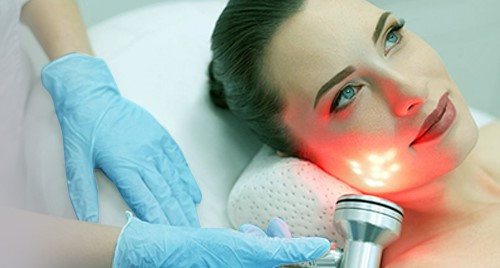
Laser and light-based treatments have changed what dermatologists can offer patients in Kota — and the options are wider than most people realise. At Skinssence Laser & Skincare Clinic in Talwandi, Kota, laser procedures are part of a broader treatment system that includes chemical peels, medical facials, PRP, and prescription skincare. This guide, written by Dr. Ashima Madan (MBBS, MD, FAM – DJPIMAC, Mumbai), explains what laser and light therapy actually is, which technologies are used at Skinssence, what they are suited for — and what they are not suited for.
If you have been searching for a skin doctor in Kota who can advise you on laser treatments without overselling, this guide is designed to help you understand your options clearly before booking a consultation.
What are laser and light-based skin treatments?
Lasers are devices that emit focused beams of light at a specific, controlled wavelength. Each wavelength interacts differently with skin tissue — some target water in cells, some target the pigment melanin, some target blood vessels, and some stimulate the deeper collagen-producing layer of the skin without breaking the surface at all.
Light therapy is a broader category. It includes laser devices (which produce a single wavelength in a focused beam) and non-laser devices such as IPL (Intense Pulsed Light), which uses a range of wavelengths to treat multiple concerns at once. LED (Light Emitting Diode) therapy is a low-energy option used at lower intensity for skin maintenance and post-procedure recovery support.
What connects all of them is the principle: controlled light energy delivered to skin tissue to trigger a specific biological response — breaking up pigment, stimulating collagen, destroying hair follicles, or removing unwanted vascular markings.
Why the device matters less than the clinician using it
Patients often ask which laser is best. The more accurate question is whether the laser is appropriate for your skin type, concern, and current skin condition — and whether the settings used are calibrated correctly for Indian skin.
Indian skin (Fitzpatrick types III–V, which describes the majority of Kota patients) has higher melanin content than lighter skin types. This means the same laser settings that are safe for a patient in Delhi's clinic with Fitzpatrick II skin can cause post-inflammatory hyperpigmentation — additional darkening — in a Kota patient with Fitzpatrick IV skin. The device is a tool. The clinical judgment applied to it is the treatment.
- Aggressive settings → faster surface change but real risk of post-inflammatory pigmentation in Indian skin
- Conservative, calibrated settings → predictable improvement with no pigmentation risk
- Correct diagnosis first → laser applied to wrong concern (e.g. laser toning on active melasma) can worsen the condition
This is why every laser procedure at Skinssence begins with a dermatologist consultation — not a free assessment by a technician. See how to choose the right skin doctor in Kota for a full discussion of this.
Laser and light technologies available at Skinssence Laser & Skincare Clinic, Kota
| Technology | How it works | Primary indications | Available at Skinssence |
|---|---|---|---|
| Q-Switch Nd:YAG Laser | Delivers nano-second pulses of 1064nm and 532nm light; targets melanin and tattoo pigment without heating surrounding tissue | Laser skin toning, carbon laser facial, pigmentation, tattoo removal, tanning reduction | Yes |
| Diode Laser | 808–810nm wavelength targets melanin in hair follicle; destroys follicle with heat while sparing surrounding skin | Laser hair removal (face and body) | Yes |
| Microneedling RF (MNRF) | Radiofrequency energy delivered through micro-needles into the dermis; stimulates collagen and tightens skin from within | Acne scars, open pores, skin laxity, stretch marks | Yes |
| LED / Low-level light therapy | Low-energy broad-spectrum light in red/near-infrared range; supports skin barrier, reduces post-procedure inflammation | Post-procedure recovery, acne support, skin maintenance | As part of medifacial protocols |
Not every laser clinic in Kota operates under direct dermatologist supervision. At Skinssence, all laser procedures are planned and supervised by Dr. Ashima Madan — meaning parameters are adjusted at each session based on how your skin is responding, not applied at a fixed standard intensity. Explore the technologies used at Skinssence for more detail on the equipment.
What can laser treatments address? — Concerns treated at Skinssence, Kota
Skin pigmentation, tanning, and uneven tone
Kota's climate — high UV exposure through long summer months — creates rapid surface tanning and uneven skin tone as one of the most common concerns among the clinic's patients. The Q-Switch Nd:YAG laser at low fluence (laser skin toning) fragments melanin deposits and suppresses melanin production in the treated skin. This is distinct from treating a medical pigmentation disorder, which requires a different approach.
For general tanning, dullness, and uneven tone — not a diagnosed pigmentation condition — laser skin toning in Kota is the primary laser option. The carbon laser facial version of the same procedure delivers faster visible results in a single session, making it useful before events or weddings. For sustained brightness, laser toning is typically combined with chemical peels or glutathione IV therapy to accelerate and maintain results.
Acne and acne-related scarring
Laser and light-based treatments play a supporting role in acne management at Skinssence — they are not the first-line approach for active breakouts, which typically requires prescription treatment. Where they become highly relevant is in addressing the aftermath of acne: post-inflammatory hyperpigmentation (the dark marks left after a pimple heals) and acne scars that have altered the skin's surface texture.
For acne marks and surface pigmentation, Q-Switch laser toning and chemical peels are most relevant. For textural scarring and indented scars, Microneedling RF is the primary modality — it remodels the collagen structure beneath the scar rather than treating the surface. The right combination depends on the type and severity of scarring, assessed at consultation. Explore acne treatment in Kota and the full explanation of scar options in the guide on choosing the right acne scar treatment in Kota.
Laser hair removal
Diode laser hair removal at Skinssence uses 808nm wavelength energy to target melanin in the hair follicle, progressively reducing hair density over multiple sessions. For Indian skin tones — which have enough melanin to make laser effective while requiring careful settings to avoid heating surrounding skin — diode laser is the most appropriate technology.
Results are cumulative: each session reduces active follicles in the treatment area. Most patients require 6–8 sessions spaced 4–6 weeks apart for significant reduction, followed by occasional maintenance. Explore the full guide on laser hair removal in Kota, including area-wise pricing information in the blog on laser hair removal cost in Kota.
Tattoo removal
The Q-Switch Nd:YAG laser is the established technology for tattoo removal. Laser pulses fragment the tattoo ink particles into smaller pieces that the immune system can then clear over subsequent weeks. Darker pigments (black, dark blue) respond most readily; lighter pigments (green, yellow) require more sessions and may not clear completely. Number of sessions varies widely based on ink type, age of tattoo, and depth. Tattoo removal in Kota is available at Skinssence under dermatologist supervision.
Anti-ageing and skin rejuvenation
Collagen stimulation from repeated laser toning sessions produces gradual improvement in skin firmness, fine line reduction, and overall skin texture over months. This is a maintenance benefit that accumulates with regular sessions rather than a dramatic single-treatment result. For patients seeking more targeted anti-ageing outcomes, PRP (Platelet Rich Plasma) therapy and GFC (Growth Factor Concentrate) therapy are available as standalone or combination treatments. The broader context for anti-ageing options is covered in the guide on dermatologist-recommended anti-ageing treatments.
Laser treatments that work best as part of a combination plan
A standalone laser procedure delivers results — but a combination plan delivers faster visible results at lower risk. This is the consistent finding in clinical practice with Indian skin, where the option of "more aggressive laser settings" carries meaningful pigmentation risk. The combination approach closes the gap between "gradual improvement" and "visible results throughout the treatment course" by adding complementary procedures that each address a different layer of the same problem.
Laser toning + Chemical peel
Laser toning works at the dermal level; chemical peels exfoliate surface pigmented layers. Combined, both depths of the pigmentation problem are addressed simultaneously, producing faster visible tone improvement than either alone. This is particularly effective for Kota's high-UV environment where surface tanning accumulates fast. See chemical peel treatment in Kota →
Laser toning + Glutathione IV
Glutathione IV suppresses melanin synthesis from within cells while laser toning fragments existing deposits from above. Patients who include this in their plan maintain brightness longer between sessions. See glutathione IV drip therapy in Kota → and the full guide on glutathione IV for skin brightening.
Laser toning + Medifacial
Medifacials maintain surface brightness and hydration between laser sessions, so the patient sees visible results throughout the course — not just at the end. This combination is frequently part of bridal skincare plans in Kota. See medifacial treatment in Kota →
Microneedling RF + PRP or GFC
Microneedling RF creates microchannels in the skin at the same time as delivering RF energy for collagen remodelling. Applying PRP or GFC immediately after maximises absorption of growth factors directly into treated tissue — producing better scar and skin quality outcomes than either procedure alone. See PRP hair and skin treatment in Kota and GFC treatment in Kota →
Who should not have laser treatment without evaluation first
Several patient groups require specific assessment before any laser or light-based treatment is planned:
- Active melasma or hormonal pigmentation — laser without proper evaluation frequently worsens this condition; a dedicated melasma consultation is required first
- Active acne or open skin inflammation — laser should not be performed over inflamed or infected skin; see acne treatment at Skinssence
- Recent sun exposure or a fresh tan — sessions should be postponed until skin has settled
- Pregnancy — most laser procedures are not recommended during pregnancy
- Highly reactive or sensitive skin — requires patch testing and modified parameters; see sensitive skin guidance
- Recent isotretinoin use — laser is typically delayed for 6 months after stopping this medication
- PCOD-related skin concerns — hormonal fluctuation in PCOD affects how skin responds to laser; a holistic plan is needed; see PCOD-related skin treatment at Skinssence
All of these factors are identified at the initial dermatologist consultation — the reason consultation always comes before treatment at Skinssence.
Laser treatments for specific skin concerns — where to read more
If you are researching a specific concern, these guides cover each treatment area in full detail:
- Laser skin toning and carbon laser facial in Kota — glow, tanning reduction, texture improvement, pre-event brightening
- Melasma and pigmentation treatment in Kota — for diagnosed pigmentation disorders requiring structured clinical management
- Laser hair removal in Kota — diode laser for face and body, session planning, skin tone suitability
- Tattoo removal in Kota — Q-Switch laser, session estimates, pigment types
- Acne treatment in Kota — where laser fits within a broader acne management plan
- Open pore treatment in Kota — Microneedling RF and laser options for enlarged pores
- Stretch mark treatment in Kota — MNRF and laser options for stretch marks
- Under-eye dark circle treatment in Kota — laser and non-laser options for periorbital pigmentation
Frequently asked questions about laser and light therapy in Kota
Is laser treatment safe for Indian skin tones?
Yes — when performed at calibrated settings under dermatologist supervision. Indian skin (Fitzpatrick III–V) has higher melanin content than lighter skin types, which means it responds differently to laser energy. The settings that are safe and effective for fair skin can cause post-inflammatory hyperpigmentation in darker Indian skin if not adjusted correctly. At Skinssence, Dr. Ashima Madan calibrates laser parameters at every session based on your skin's current condition — this is not possible where a technician operates the device without medical oversight.
How many sessions will I need?
It depends on the treatment and concern. For laser skin toning, most patients benefit from 4–6 initial sessions spaced 2–4 weeks apart, followed by monthly maintenance. For laser hair removal, 6–8 sessions spaced 4–6 weeks apart is the typical initial course. For tattoo removal, session count varies widely based on ink type and depth. The exact number is determined at the initial consultation — after examining your skin, not before.
Is there downtime after laser procedures?
Most procedures at Skinssence are low-downtime or no-downtime treatments. Laser skin toning and carbon laser facial typically cause mild redness for a few hours with no peeling or visible recovery period. Laser hair removal sessions have no downtime. More intensive procedures may involve 2–5 days of mild redness or sensitivity. Specific downtime information is discussed at your consultation before any procedure is planned.
Can I combine laser treatment with other skin treatments?
Yes — and for most concerns, combination plans produce better visible results than standalone laser treatment. Common combinations at Skinssence include laser toning with chemical peels, glutathione IV, or medifacials for glow and tone improvement; and Microneedling RF with PRP or GFC for scar remodelling. The sequencing and spacing of these combinations is planned by Dr. Ashima Madan at consultation to ensure safety and effectiveness.
I have melasma — can I get laser toning?
Not without a dedicated evaluation first. Laser toning applied to active melasma without proper assessment frequently worsens the condition because laser energy stimulates melanin activity in melasma-affected skin. Patients with hormonal pigmentation, patchy facial discolouration, or a confirmed melasma diagnosis need a separate melasma evaluation and treatment plan before any laser is considered. This is one of the most important clinical distinctions to get right — the consequences of applying laser to undiagnosed melasma can take months to correct.
What is the difference between a carbon laser facial and laser skin toning?
Both use the Q-Switch Nd:YAG laser. In a carbon laser facial, a carbon lotion is applied to the skin first — the laser vaporises this layer along with dead cells, oil, and congestion — producing immediate visible glow after a single session. Laser skin toning without carbon delivers low-fluence passes that stimulate collagen and gradually improve brightness over multiple sessions. Carbon laser facial is the choice for quick results before a wedding or event; laser toning is the choice for sustained improvement over months. Read the full comparison at the laser skin toning page.
How do I know which laser treatment is right for my concern?
The honest answer is: through a proper dermatologist consultation. The right treatment depends on your skin type (Fitzpatrick classification), the exact nature of your concern, your medical history, any medications you are taking, and your lifestyle factors (especially sun exposure). Choosing a laser treatment based on what someone else had good results with — or based on the most popular option — frequently leads to poor outcomes in skin that responds differently. A consultation at Skinssence in Talwandi, Kota takes 20–30 minutes and gives you a clinical assessment, treatment options, and a realistic timeline before you commit to anything.
Clinic hours: Mon–Sat 11:00 am – 1:30 pm & 4:00 pm – 7:30 pm | Sunday 11:00 am – 1:30 pm
